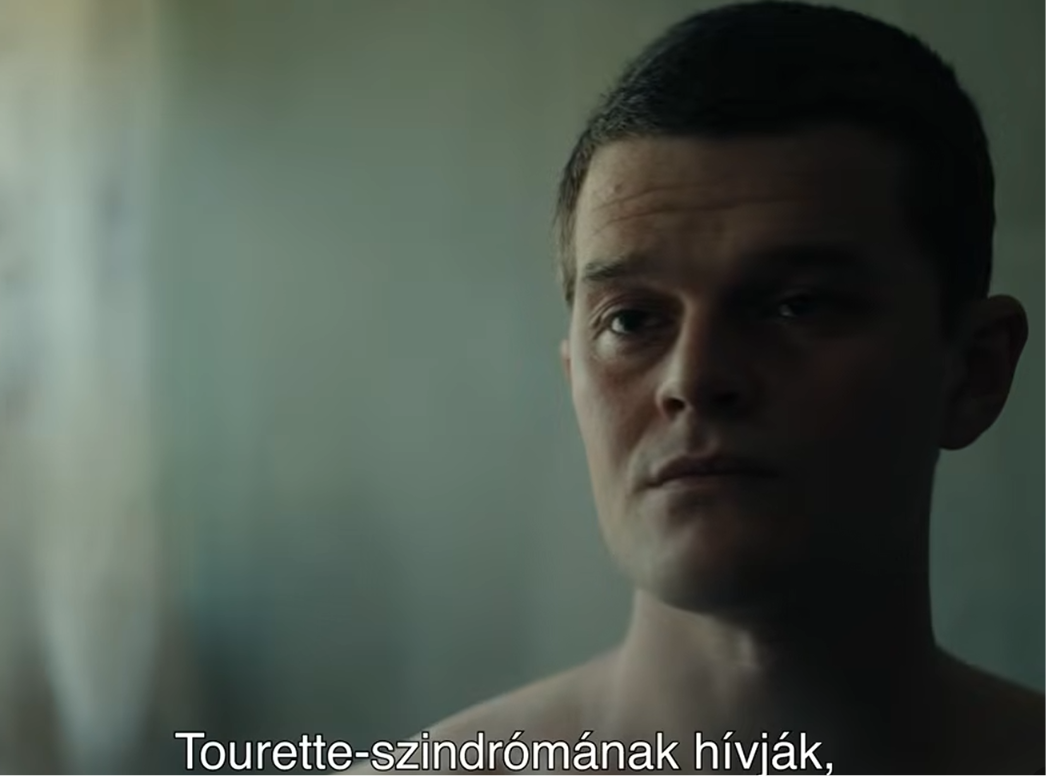
A new short film telling the story of another Lyme disease sufferer has recently been released. *Warrior* isn’t as long as the previous films, but it’s just as moving. It tells the story of a real patient on their way to a Lyme disease clinic, whilst looking back on the journey they have taken so far. From relatives: “Stop making a fuss”, from doctors: “There’s nothing wrong with you”, from the employer: “We won’t pay for any more sick leave”. These have become standard phrases in the life of a Lyme disease patient. It made me wonder: why don’t more doctors specialise in Lyme disease?
That’s why I’ve put together a short job advert, which I mean quite seriously:
If you’ve reached the peak of your career and took up the medical profession out of a sense of duty.
Or if you feel you’ve earned the money you needed and now want to give something back to society.
If you now wish to help as many people as possible who are still marginalised and unrecognised by the medical establishment…
COME AND WORK AS A LYME DISEASE SPECIALIST!
What the role offers:
- Social recognition within a marginalised community
- Every evening, someone includes your name in their prayers
- You can choose to treat the destitute for a minimal fee (those who have already spent all their money on doctors, partly in vain)
- Or treat the super-rich for as much as 70,000–100,000 euros
- Lifelong learning in a field of science where new findings emerge every day
- Opportunities for professional consultation with doctors who have 40 years’ experience
- It can offer a genuine solution for one-fifth of illnesses of unknown origin
- In Hungary, although some colleagues may not like it, according to legally substantiated, professionally sound and accepted statements, you need not fear having your ‘licence’ revoked (as used to happen in America).
- You may often feel that you have helped many people – and sometimes they even thank you.
- You set the price for the consultation, and even so, both Hungarian and international patients will be booking appointments several months in advance.
If this opportunity has struck a chord with you, please call the following number, where one of our colleagues is waiting to take your call:
(+36) 70 / 369 41 82
Finally, a key line from the film that struck a chord with me, as it best describes what happens to someone with Lyme disease:
“I’m not pretending to be sick. I’m pretending to be healthy.”
(C) Lyme Borreliosis Foundation